4 Refreshing Lemonade Party Drink Recipes

Last summer, I threw together a backyard gathering on the hottest day of July, and I made the mistake of relying on store-bought lemonade. My neighbor took one sip, smiled politely, and then asked if I had any water. That’s when I realized: homemade lemonade isn’t just better—it’s a game you can actually win, and it doesn’t take much.
I started experimenting that week, squeezing lemons until my hands were sticky, tasting variations until I found what made people actually come back for seconds. Now, whenever I’m hosting, I’ve got 4 refreshing lemonade party drink recipes in my back pocket. Each one is different enough to keep things interesting, but simple enough that I’m not stressed while my guests arrive.
These recipes work for casual weeknight entertaining, kid-friendly gatherings, or those moments when you want something cold and bright without overthinking it. I’ve tested every single one, tweaked the ratios, and learned what actually tastes good versus what sounds good in theory. Whether you’re hosting a crowd or just want to feel fancy on a Tuesday afternoon, you’ll find something here that clicks.
Follow me on DianaCookingE on Pinterest for more seasonal drink ideas and party tips.
Why You’ll Love This Recipe
Homemade lemonade tastes nothing like the powdered packets. There’s a brightness to fresh lemon juice, a real tartness that wakes up your mouth. When you make it yourself, you control the sweetness—no cloying aftertaste, just clean and refreshing.
The beauty of having four different recipes is flexibility. Some are classic and straightforward, perfect for people who like simplicity. Others have herbs or fruit layered in, which feels a little more special without demanding hours of prep. They’re all scalable too; make a pitcher for four or a big batch for twenty.
I also love that these recipes are budget-friendly and use ingredients you probably already have. No fancy syrups or exotic fruits required. Just lemons, sugar, water, and a few optional add-ins that turn a basic drink into something memorable.
Ingredients for 4 Refreshing Lemonade Party Drink Recipes
Classic Homemade Lemonade
- 1 cup fresh lemon juice (about 6 to 8 lemons)
- 1 cup granulated sugar
- 6 cups cold water
- Pinch of sea salt
- Ice cubes
- Lemon slices for garnish
Diana’s Tip: Room-temperature lemons yield more juice. Roll them on the counter with your palm before cutting—it breaks down the fibers inside.
Strawberry Lemonade
- 1 cup fresh lemon juice
- ¾ cup granulated sugar
- 1 pound fresh strawberries, hulled and halved
- 6 cups cold water
- Pinch of sea salt
- Ice cubes
- Fresh mint leaves (optional)
Lavender Honey Lemonade
- 1 cup fresh lemon juice
- ½ cup honey
- 2 tablespoons dried culinary lavender
- 6 cups cold water
- Pinch of sea salt
- Ice cubes
- Lavender sprigs for garnish
Diana’s Tip: Find culinary lavender at specialty food stores or online. The stuff from the garden center isn’t food-safe.
Raspberry Mint Lemonade
- 1 cup fresh lemon juice
- ¾ cup granulated sugar
- 1½ cups fresh raspberries
- ½ cup fresh mint leaves, plus more for garnish
- 6 cups cold water
- Pinch of sea salt
- Ice cubes
Optional Add-Ins and Variations
Once you nail the base recipe, the fun part is playing around. I like keeping fresh herbs on hand during summer—basil, thyme, and rosemary all work beautifully in lemonade. You can muddle them gently in the pitcher or float them as a garnish.
For a sparkling version, swap half the water for club soda or ginger ale. It adds fizz and makes the drink feel more festive without changing the core flavors. I’ve also experimented with a splash of vanilla extract or almond extract—just a quarter teaspoon goes a long way.
If you want to go slightly boozy for an adult crowd, a shot of vodka or rum per glass is subtle and doesn’t overpower the lemon. But honestly, these recipes shine on their own.
Step-by-Step Method
Classic Homemade Lemonade
- Make the simple syrup: In a small saucepan, combine the sugar and 1 cup of water. Heat over medium until the sugar dissolves completely, stirring occasionally. You’ll see it go from grainy to crystal-clear—that takes about 3 to 4 minutes. Let it cool to room temperature, or speed it up by pouring it into a bowl and setting it in the fridge for 10 minutes.
- Juice the lemons: Cut your lemons in half and use a citrus juicer or your hands to extract the juice. I strain mine through a fine-mesh sieve to catch any seeds or pulp, but that’s personal preference. You should end up with about 1 cup of juice.
- Combine everything: In a large pitcher, pour the cooled simple syrup, lemon juice, remaining 5 cups of cold water, and a pinch of sea salt. Stir well. The salt enhances the lemon flavor without making it taste salty—trust me on this.
- Taste and adjust: Take a sip. Too tart? Add a splash more water or a tablespoon of sugar. Too sweet? Squeeze in a bit more lemon juice. This is your drink, so make it perfect for your palate.
- Serve: Fill glasses with ice, pour the lemonade, and add a lemon slice. You’re done.
What I Messed Up At First: I used to add the sugar directly to cold water and wonder why it wouldn’t dissolve. The hot-water method is faster and actually works. Game-changer for me.
Strawberry Lemonade
- Prepare the strawberries: Hull them, cut them in half, and place them in a blender or food processor. Pulse until you have a chunky puree—not completely smooth, but broken down enough to release their juice.
- Make the simple syrup: Follow the same method as the classic version, using ¾ cup sugar and 1 cup water.
- Combine: In your pitcher, add the cooled syrup, strawberry puree, lemon juice, remaining 5 cups cold water, and sea salt. Stir thoroughly.
- Strain (optional): If you prefer a smoother drink without strawberry pulp, pour the mixture through a fine-mesh sieve into another pitcher. Press gently on the solids to extract as much flavor as possible, then discard them.
- Chill and serve: Add ice and pour. A sprig of fresh mint on top looks beautiful and tastes even better.
Lavender Honey Lemonade
- Steep the lavender: In a small saucepan, combine 2 tablespoons dried culinary lavender with 1 cup of water. Bring to a gentle simmer over medium heat, then remove from the heat and let it sit for 5 minutes. You’ll notice the water turning pale purple and smelling absolutely wonderful.
- Strain the lavender: Pour the lavender water through a fine-mesh sieve into a bowl, discarding the flowers. Let it cool completely.
- Combine: In your pitcher, add the cooled lavender water, honey, lemon juice, remaining 5 cups cold water, and sea salt. Stir until the honey dissolves completely. This takes a bit more stirring than sugar, so be patient.
- Taste and balance: Honey is sweeter and more subtle than sugar, so the flavor profile is different. Make sure it tastes balanced to you—not too floral, not too tart.
- Serve: Pour over ice and garnish with a sprig of fresh lavender or a lemon wheel.
Diana’s Tip: Honey can settle at the bottom of the pitcher, so give it a good stir before each pour.
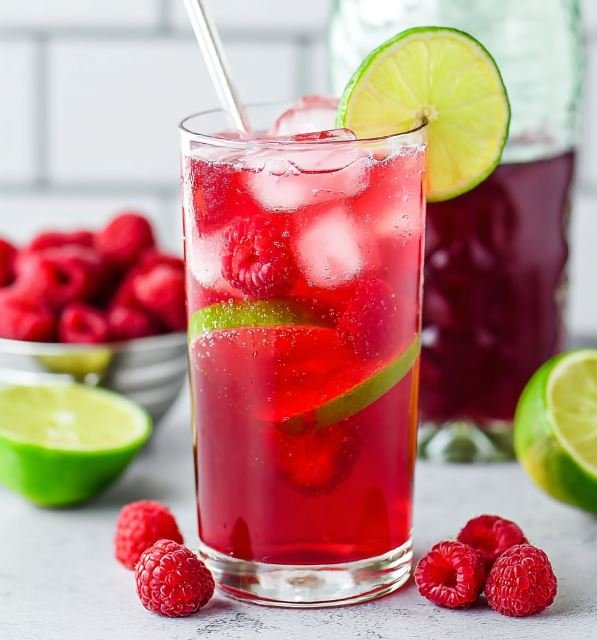
Raspberry Mint Lemonade
- Prepare the berries and herbs: Place fresh raspberries and fresh mint leaves in a large pitcher. Using the back of a wooden spoon, gently muddle them together—you’re not trying to pulverize them, just release their oils and juices. This should take about 30 seconds.
- Make the simple syrup: Combine ¾ cup sugar and 1 cup water in a saucepan, heat until dissolved, and cool completely.
- Add the remaining ingredients: Pour the cooled syrup, lemon juice, and remaining 5 cups cold water into the pitcher with the muddled raspberries and mint. Add a pinch of sea salt and stir gently.
- Let it sit: If you have time, let this pitcher sit in the fridge for 30 minutes to an hour. The flavors deepen and marry together beautifully.
- Strain and serve: Pour into glasses through a fine-mesh sieve to catch any seeds or herb bits, or leave them in for texture. Top with ice and a fresh mint leaf.
Common Mistakes to Avoid
Using bottled lemon juice: I know it’s convenient, but fresh lemons make a real difference. Bottled juice tastes flat and a little metallic by comparison. Fresh juice is brighter and actually worth the extra minute of squeezing.
Not adjusting for tartness: Every lemon is different—some are more acidic, some less. Taste as you go and adjust the sugar or water to match your preference. There’s no “right” amount; there’s only what tastes good to you.
Forgetting the salt: A tiny pinch of sea salt seems weird, but it rounds out the flavor and makes the lemon taste more lemony. Don’t skip it.
Making it too far ahead: Lemonade tastes best within 24 hours. After that, it starts to lose its brightness. I’ll make a batch the morning of a party, not the day before.
My Tested Substitutions
Sugar alternatives: I’ve used coconut sugar, agave nectar, and maple syrup. They all work, though they shift the flavor slightly. Coconut sugar is closest to regular sugar in taste. Agave and maple add their own sweetness, which is nice if you like that profile.
Fruit swaps: Can’t find fresh strawberries? Peaches work beautifully. No raspberries? Blackberries are fantastic. The ratios stay the same—about 1½ cups of fresh fruit per pitcher.
Herbs: Don’t love lavender? Try basil, thyme, or even a small sprig of rosemary. Start with less than you think you need; herbs can be overpowering.
Water type: Filtered water makes a cleaner-tasting lemonade than tap water, but honestly, any cold water works. If your tap water is heavily chlorinated, filtering it first is worth the extra step.
How to Customize
The beauty of making your own lemonade is that you can tailor it to your crowd. If you’re serving kids, keep it simple and slightly less tart. For adults, you can go more adventurous with herbs or even a splash of alcohol.
Make a “lemonade bar” by setting out the base recipe and letting guests add their own extras—fresh fruit, herbs, sparkling water, or liqueur. It’s interactive and fun, and everyone gets exactly what they want.
You can also batch-make the simple syrup and lemon juice ahead of time, then combine them fresh on the day of your party. This saves time and keeps everything tasting bright.
Serving Ideas
Pour lemonade into a big glass pitcher with lots of ice and lemon slices floating on top. It looks inviting and keeps everything cold. Set out fresh fruit and herb sprigs nearby so guests can add their own garnish if they’d like.
For a party, I like to serve it in mismatched vintage glasses—it feels more personal than matching glassware. A striped paper straw and a lemon wheel complete the picture.
Lemonade pairs beautifully with light appetizers, grilled chicken, fresh salads, and desserts. It’s refreshing without being heavy, so it works at any time of day.
[INTERNAL LINK: Check out my summer entertaining tips for more ideas on hosting]
Meal Prep & Storage
Store finished lemonade in an airtight pitcher or container in the refrigerator for up to 24 hours. The flavor is brightest when fresh, but it’ll keep for a couple of days if needed.
If you’re prepping ahead, make your simple syrup and juice your lemons separately, then store them in the fridge in covered containers. Combine them with cold water on the day you’re serving.
Frozen lemonade is great too. Pour the finished drink into ice cube trays and freeze. Pop a few cubes into a glass, add cold water or sparkling water, and you’ve got instant lemonade whenever you want it.
Nutritional Breakdown
These recipes are naturally low in calories and contain no artificial ingredients. A typical serving of classic lemonade has around 60 to 80 calories, depending on how much sugar you use. The fruit-based versions are similar, with added vitamins from the berries.
Lemonade is mostly water and natural fruit sugars, making it a refreshing choice that won’t leave you feeling sluggish. The lemon juice provides vitamin C, which is a bonus on hot days.
If you’re watching sugar intake, reduce the sweetener by a quarter and taste as you go. You might be surprised how little sugar you actually need once the lemonade is cold and well-chilled.
Frequently Asked Questions
Can I make lemonade without a juicer?
Absolutely. Cut your lemons in half and squeeze them by hand over a bowl. It takes a bit longer, but your hands will do the job. You can also use a fork to press and twist the lemon halves—it’s less efficient but totally doable.
How much lemonade should I make for a party?
Plan on about one cup per person if lemonade is the main drink. If you’re offering other beverages too, half a cup per person is usually plenty. These recipes each make about 7 to 8 cups, so adjust accordingly.
Can I make these recipes ahead of time?
Yes, but with a caveat. Make the simple syrup and juice the lemons a day ahead. Combine everything with the water and ice a few hours before serving, or right before if you want maximum freshness. The longer lemonade sits, the less bright it tastes.
What if my lemonade is too tart?
Add a bit more water or a tablespoon of sugar at a time, stirring and tasting until it’s balanced. Start small—you can always add more, but you can’t take it back.
Are these recipes kid-friendly?
Yes, all of them are naturally kid-friendly. The strawberry and raspberry versions are especially popular with kids because they’re slightly sweeter and fun-looking. No added artificial ingredients or dyes—just real fruit and lemon.
Final Thoughts
I’ve learned that the best entertaining doesn’t require complicated recipes or fancy ingredients. It requires something simple, made with care, that makes people feel welcome. These 4 refreshing lemonade party drink recipes do exactly that.
Whether you’re hosting a backyard barbecue, a casual brunch, or just want something cold and delicious on a summer afternoon, you’ve got options here. Start with the classic if you’re new to homemade lemonade, then branch out to the fruit and herb versions as you get comfortable.
The most important thing? Taste as you go, adjust to your preference, and don’t stress about getting it “perfect.” Your guests are coming for the company, and the lemonade is just the cherry on top. Make it cold, make it fresh, and you’re already ahead of the game.
Happy hosting, and enjoy every sip.
Recipe Card
4 Refreshing Lemonade Party Drink Recipes
Ingredients
Method
- Make the simple syrup by combining sugar and 1 cup of water in a small saucepan over medium heat, stirring occasionally until sugar dissolves completely, about 3 to 4 minutes. Cool to room temperature or refrigerate for 10 minutes.
- Juice the fresh lemons by cutting them in half and using a citrus juicer or your hands to extract juice. Strain through a fine-mesh sieve to catch seeds and pulp.
- For Classic Lemonade, combine cooled simple syrup, lemon juice, remaining 5 cups cold water, and a pinch of sea salt in a large pitcher. Stir well and taste, adjusting sweetness or tartness as needed.
- For Strawberry Lemonade, pulse hulled strawberries in a blender until chunky, then combine with cooled syrup, lemon juice, water, and salt. Strain if desired for a smoother texture.
- For Lavender Honey Lemonade, steep 2 tablespoons dried culinary lavender in 1 cup water over medium heat for 5 minutes, strain, cool completely, then combine with honey, lemon juice, remaining water, and salt.
- For Raspberry Mint Lemonade, gently muddle fresh raspberries and mint leaves in a pitcher for 30 seconds, add cooled syrup, lemon juice, water, and salt. Let sit 30 minutes to 1 hour if time allows.
- Fill glasses with ice, pour lemonade through a fine-mesh sieve if desired, and garnish with lemon slices, fresh mint, or lavender sprigs.
- Serve immediately and stir before each pour, especially for honey-based versions.